Understanding Rotational Molding : Process, Resources, and Purposes
Rotational molding is an essential production method for producing hollow plastic items efficiently and consistently. In this article, we investigate how Rotational Molding performs, its benefits, applications, and essential concerns for companies looking to adopt that technique. What is Rotational Molding? Rotational molding , frequently named rotomolding , is a method where powdered plastic is positioned in a form, hot, and turned along two axes. This enables the material to consistently coat the inside, forming durable, seamless worthless objects such as tanks, pots, and playground equipment. Unlike injection molding , rotational molding employs decrease demands, which makes it cost-effective for large and complicated parts.
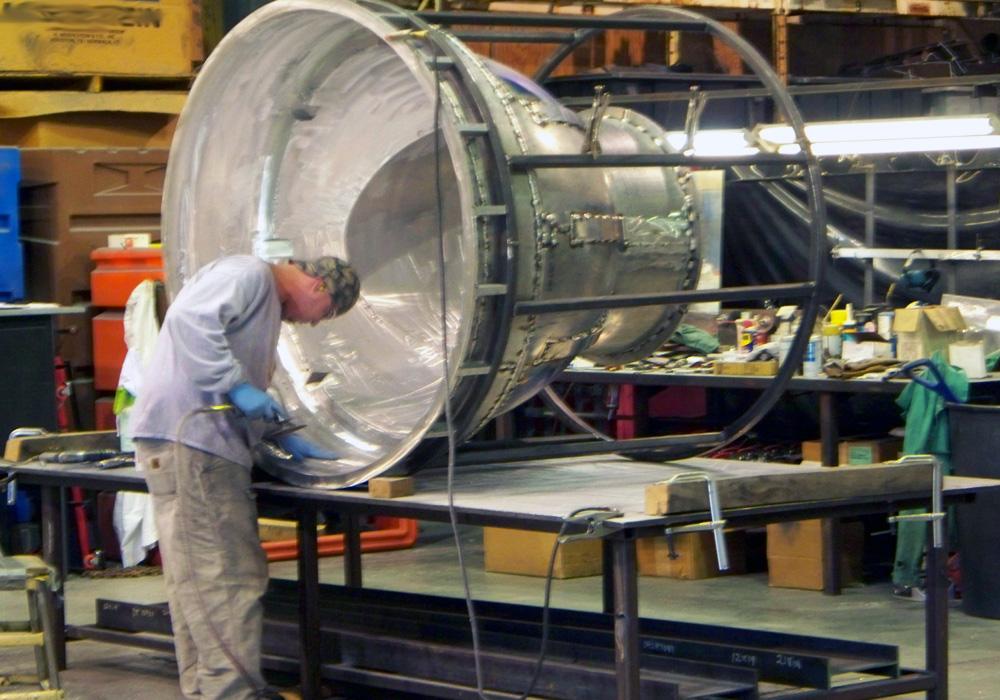
How Does the Process Work? The procedure on average involves four phases: Running the Mold – Plastic-type is put into the mold. Heating and Turning – The mold revolves in a oven, scattering the substance evenly. Chilling – The form is cooled while continuing turn to solidify the product. Demolding – The completed part is eliminated and examined for quality. Statistics show that rotational molding has an increasing market, with annual business development prices of 5–6%, pushed by demand for personalized, sturdy plastic products. What Materials Are Commonly Used? Polyethylene is the most used material because flexibility, toughness, and ease of molding. Additional options include polypropylene, PVC, and specialized polymers for high-temperature or chemical-resistant applications. Material decision influences cost, end, and physical properties. What Are the Advantages? Design Mobility: Complicated designs and large shapes are achievable. Toughness: Items are smooth, reducing fragile points. Cost-Efficiency: Decrease tooling prices compared to procedure molding. Consistency: Repeatable quality with minimal material waste. Are There Any Limitations? While rotational molding is adaptable, it has slower cycle times and is less suitable for very thin-walled parts. Moreover, color improvements need complete washing or devoted molds.
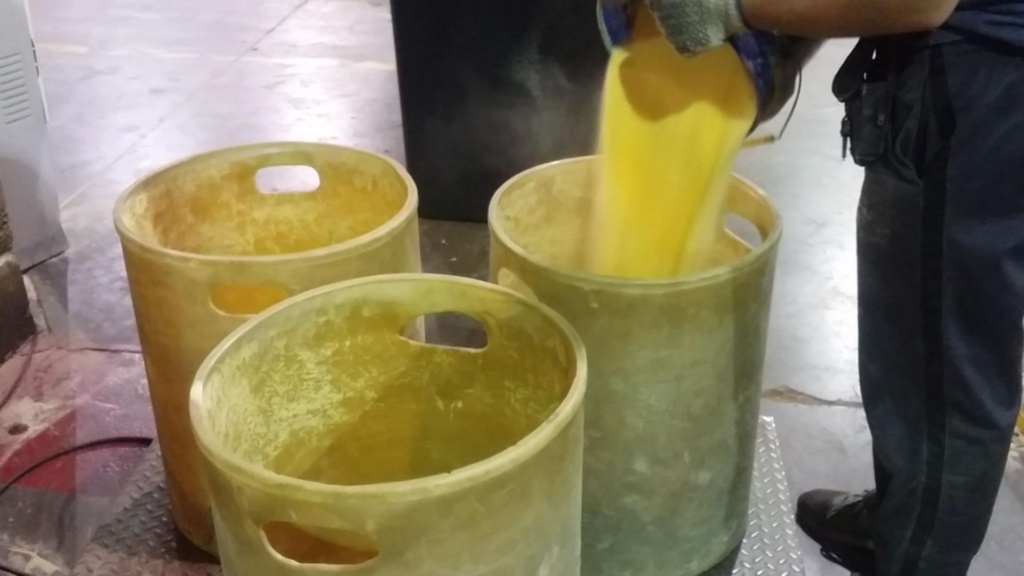
What Industries Benefit Most? Rotational molding is commonly found in: Storage and compound tanks Automotive parts Playground equipment Professional containers and pallets Market research indicates that industries requesting light, resilient, and corrosion-resistant alternatives are significantly adopting rotational molding as a preferred manufacturing technique. How to Optimize Production? Efficiency may be improved by: Applying uniform product powders Ensuring specific mold style and maintenance Employing automated heat and chilling techniques Future Trends in Rotational Molding Business trends suggest: Improved use of recyclable and sustainable polymers Integration of electronic monitoring for quality control Growth in to customer products and custom types Conclusion Rotational molding offers a unique mix of flexibility, durability, and cost-effectiveness. As industries demand tailored plastic options, knowledge the process, components, and purposes is a must for remaining competitive. Properly implemented, it ensures supreme quality, long-lasting items with little spend and regular performance.